Author: Gregory Merle

  • The AI Boom Is Built on Plastics

    We Need Better Recycling to Sustain It

    Artificial intelligence is often discussed as though it exists entirely in the digital world. We see software, search results, generated images and automated systems, but rarely the physical infrastructure operating behind them. The AI boom is driving rapid growth in data centers, energy infrastructure and the use of plastics throughout the digital economy.

    In reality, AI is built from steel, copper, concrete, silicon—and plastic.

    The rapid expansion of artificial intelligence requires enormous data centers filled with servers, cables, cooling systems, electrical equipment and specialized processors. Plastics appear throughout this infrastructure: in cable insulation, connectors, equipment housings, cooling components, piping, protective films, packaging and countless other applications.

    (more…)
  • Resource Recovery: Why Recycling Alone Will Never Be Enough

    Resource recovery is the future of sustainable waste management because recycling alone will never be enough. For decades, recycling and resource recovery has been promoted as the primary solution to our growing waste problem. We’ve all seen the familiar blue bins, the recycling symbols, and the public service campaigns encouraging us to do our part. Recycling is important, and it remains a valuable tool. But if we are serious about reducing waste, protecting the environment, and conserving resources, we need to recognize an uncomfortable reality:

    Recycling alone will never be enough.

    (more…)
  • Why Don’t We See More Breakthroughs in Recycling?

    Breakthroughs in recycling have been slower than many people expected. At Real Cycle, we’re often asked: Why hasn’t recycling advanced further? For decades, we’ve been bombarded with messages about recycling—yet globally, less than 10% of plastic actually gets recycled. So what’s holding us back?

    The answer isn’t simple. It’s not just about technology—it’s about economics, incentives, and competing interests. And maybe even something deeper.

    1. It’s Expensive—and Often Doesn’t Pay

    (more…)
  • Recycling 101: What It Is, How It Works, and Why It’s Not Enough

    Recycling 101 starts with understanding what recycling really is—and what it isn’t. We’ve all been told that recycling is one of the simplest ways to help the planet. Toss your plastic bottle in the blue bin, and you’re doing your part. But what actually is recycling? And more importantly—how effective is it?

    Let’s take a look at the types of recycling happening today, how they work, and why we urgently need to evolve the system.

    What Is Recycling?

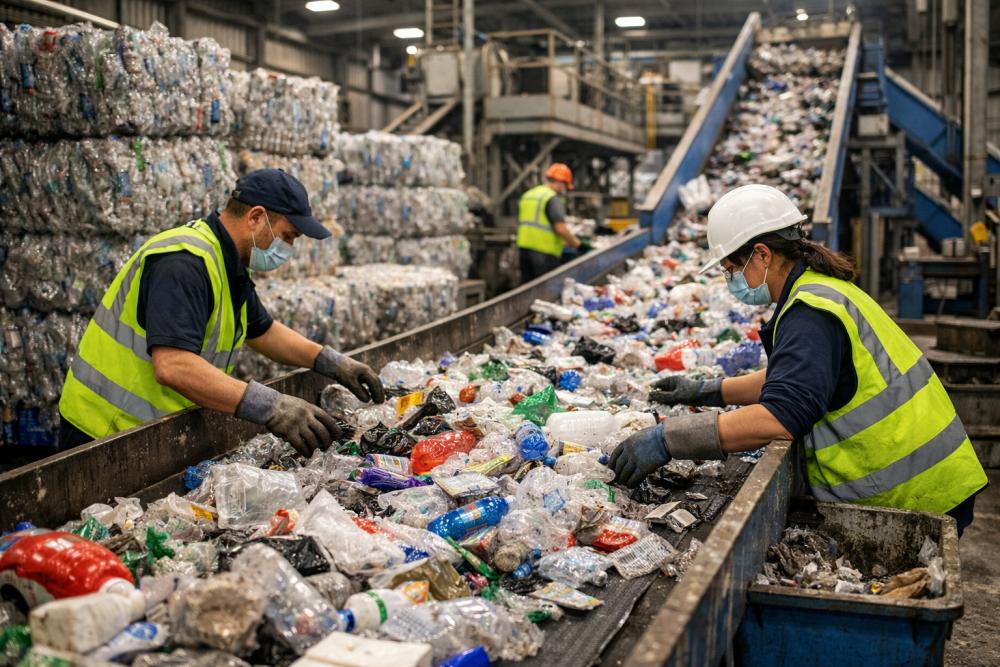
    At its core, recycling is the process of collecting, sorting, and converting waste materials into new products. The goal is to reduce the need for virgin resources and keep valuable materials out of landfills or the environment.

    But not all recycling is created equal.

    (more…)
  • The Plastic Problem: Why Less Than 9% of Plastic Is Recycled

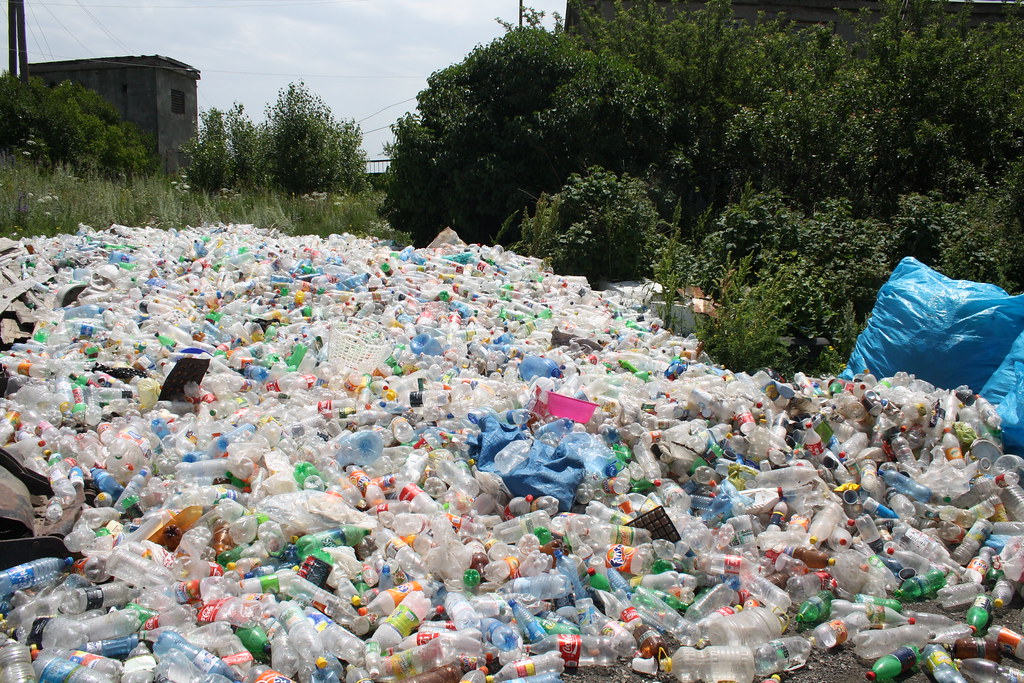
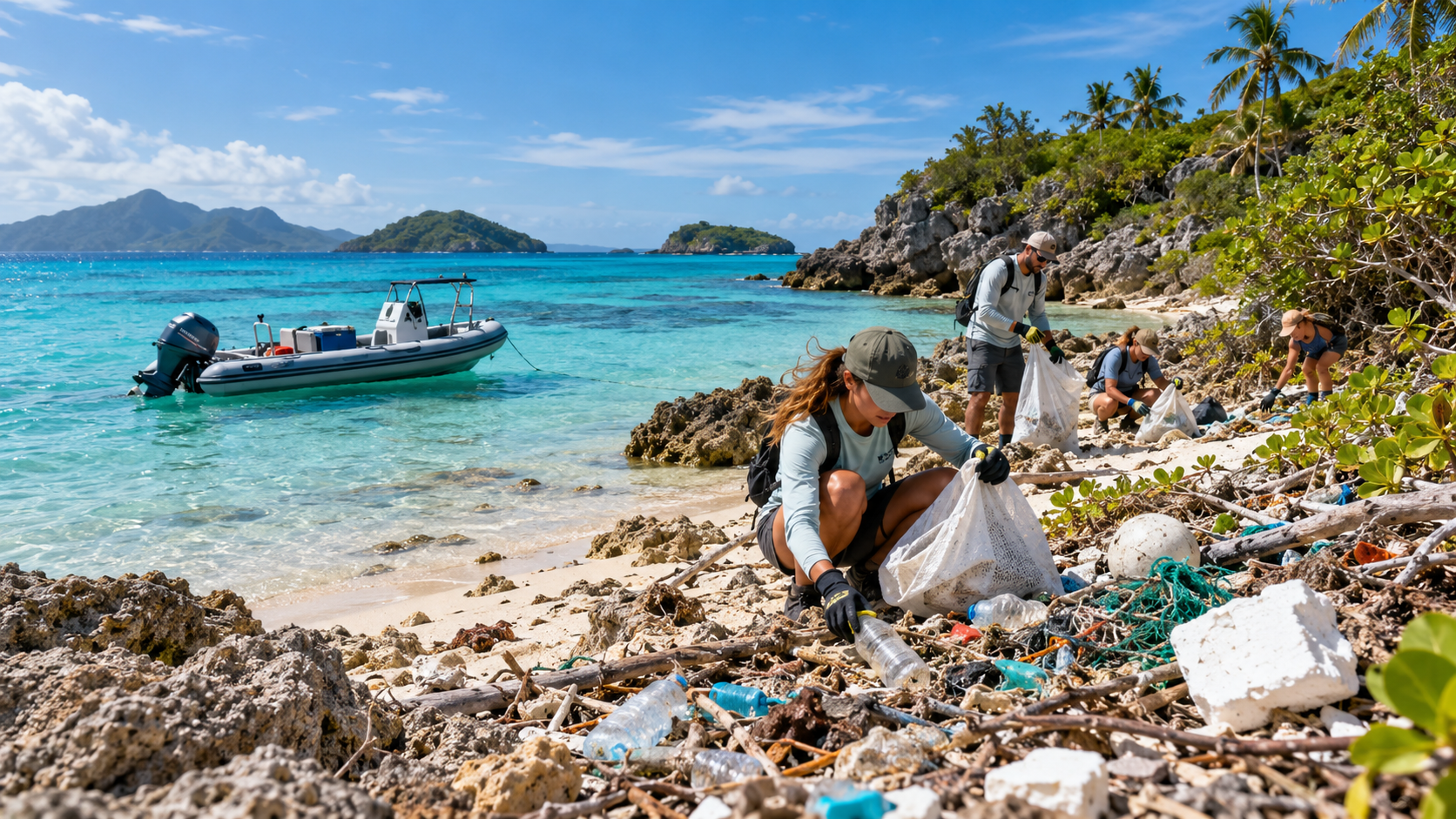
    The Plastic Problem is not that plastics exist—it’s that so little plastic is actually recycled. From packaging materials to household items, its convenience and versatility have led to an exponential increase in production. However, this surge has brought about a pressing environmental challenge: the overwhelming majority of plastic waste is not recycled. Globally, only about 9% of plastic waste is recycled (in the US it’s less than 5%!), with the remaining 91% ending up in landfills, or mismanaged, often polluting our oceans and landscapes. 

    Understanding the Low Recycling Rates

    Several factors contribute to the dismally low rates of plastic recycling:

    (more…)
  • The Truth About Recycling: Breaking Down the Myths

    The Truth About Recycling starts with understanding what really happens after plastic enters the recycling bin. Most of us toss our plastic bottles, food containers, and packaging into the recycling bin with a sense of satisfaction. We’re doing our part. We assume those items will be collected, processed, and turned into something new. But the reality is more complex—and often more troubling—than most people realize.

    At Real Cycle, we believe that solving the plastic waste crisis starts with understanding it. That means dispelling some persistent myths and looking clearly at what really happens when you recycle plastic.

    Myth #1: Most plastics get recycled.

    (more…)
  • The Real Cycle Project: It’s Time to Get Real About Recycling

    The Real Cycle Project is about making recycling work in the real world. The Problem Isn’t Plastics—It’s What Happens to Them  

    Plastic waste is something we’ve all dealt with. You rinse out a plastic container, toss it into the blue bin, and feel good about doing your part. But what if I told you that plastic still ends up in a landfill—or worse, in our oceans and waterways? 

    The problem isn’t that plastics exist. Plastics are one of the most important materials in modern society—they make our cars and trucks lighter and more fuel-efficient, they keep our food fresh, they are essential in healthcare, and they improve countless industries. The problem is that even though we “recycle”, much of it still goes to waste. The system is broken, and it’s time to stop the cycle.

    (more…)